Province of Como

Edited by:
Massimo Martini
Access
The province is well connected: Como is only a few kilometres from Milan, connected by motorway ( dei Laghi to Milan and Switzerland) and railway. The proximity to the border with Canton Ticino makes the province an important point of transit and exchange. The reference airports are Milan Malpensa, Milan Linate and Lugano-Agno (Switzerland).
.Introduction
The province of Como, located in north-western Lombardy, is one of the most internationally renowned thanks to the famous Lake Como, considered among the most beautiful lakes in the world. The area combines the mountain and valley scenery of the Lombard Pre-Alps with the charm of the lake shores, dotted with historic villas, picturesque villages and gardens. Founded in 1861 with the unification of Italy, the province has a long history dating back to Roman and medieval times, and today is an important tourist, manufacturing and cultural centre.
Description
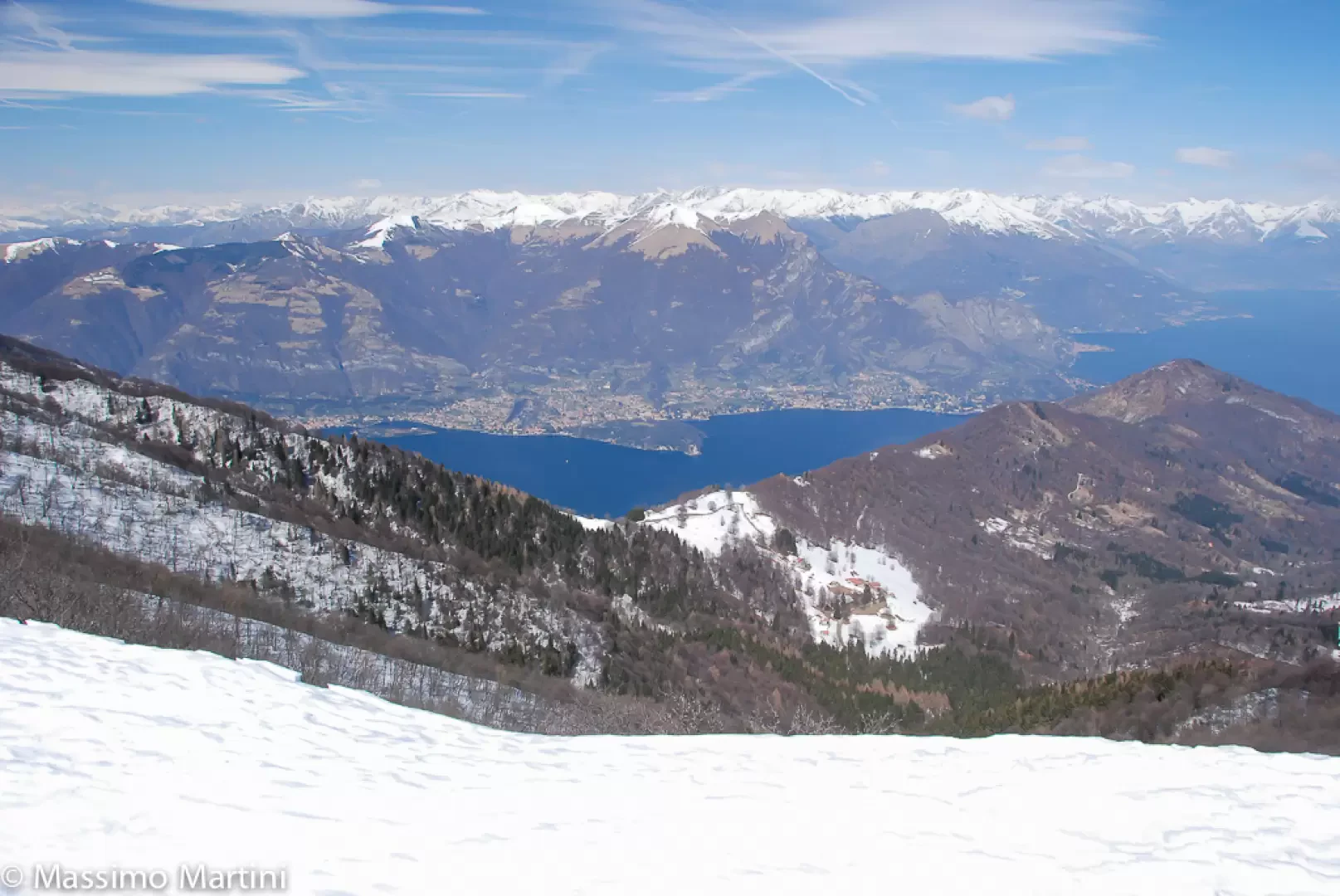
The territory of the province of Como is characterised by the lake of the same name, the third largest in Italy by extension and the first by coastal development, with its characteristic inverted 'Y' shape that divides into the two branches of Como and Lecco, meeting at Colico. Around the lake basin rise pre-Alpine reliefs that offer suggestive views and frame numerous hiking trails. To the north extend the Intelvi and Cavargna Valleys, historically rural areas and today tourist destinations of great naturalistic interest.
Historically speaking, Como has ancient origins: a Roman colony as early as the 1st century BC, it was an important trading centre thanks to the lake's waterway and the communication routes to the Alps and Switzerland. In the Middle Ages, the city and its territory were the scene of conflicts with Milan, such as the famous Ten Years' War (1118-1127). In the centuries that followed, arts and crafts were developed, including silk processing, which made Como famous throughout the world from the Renaissance onwards.
The province's economy has deep roots in the silk and textile industry, which still plays a significant role today, albeit alongside other sectors such as mechanics, handicrafts and tourism. Agriculture, once widespread, survives in the hilly and mountainous areas, with vineyards, chestnut groves and small livestock farms. Tourism is one of the main economic engines, fuelled by the international fame of Lake Como, which has been visited by travellers, artists and illustrious personalities since the 19th century.
In terms of culture and traditions, Como has a rich artistic and religious heritage: from the Duomo, one of the finest examples of Lombard Gothic architecture, to the Romanesque churches scattered along the valleys. Popular festivals, such as the Sagra di San Giovanni in Isola Comacina or the Fiera di Sant'Abbondio in Como, keep community roots alive. Gastronomy, too, reflects the variety of the area: from lakeside dishes such as missoltini (dried agoni) and risotto with perch, to mountain recipes such as polenta uncia and alpine cheeses.
For lovers of active tourism and hiking, the province offers many opportunities: the Sentiero del Viandante (Wayfarer's Path) along the eastern shore of the lake, the Greenway of Lake Como, Monte Generoso and Monte San Primo. Historic villas, such as Villa Carlotta in Tremezzo and Villa del Balbianello in Lenno, attract visitors from all over the world, while the city of Como, with its medieval walls, Renaissance palaces and lakefront promenade, is a lively cultural and commercial hub.
Information
Headquarters: Como
Area: 1279.04 sq. km
Minimum elevation: 201m
Maximum elevation: South summit of Pizzo Paglia (2550m)
Number of inhabitants: 599,905 (as of 01.01.2015)
Municipalities: 154
Neighbouring provinces: Canton Ticino, Canton Grigioni, Province of Sondrio, Province of Lecco, Province of Monza and Brianza, Province of Varese
Institutional site: www.provincia.como.it